
Project Budget, Schedule, Estimation, Cost, Revenue, Margin
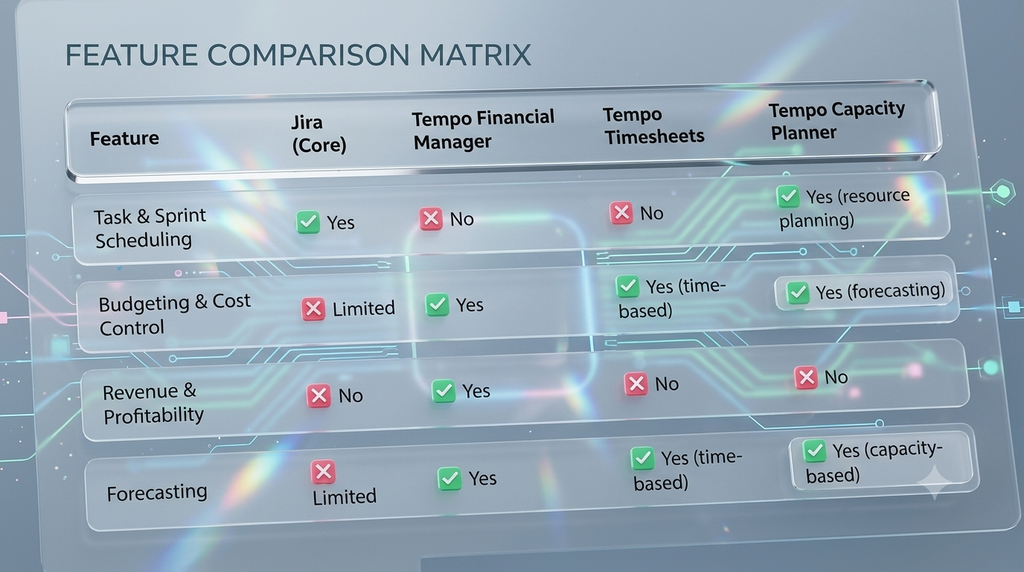
👉 Jira + Tempo Financial Manager = covers budgeting, scheduling, estimation, cost, revenue, margin, profitability, forecasting.
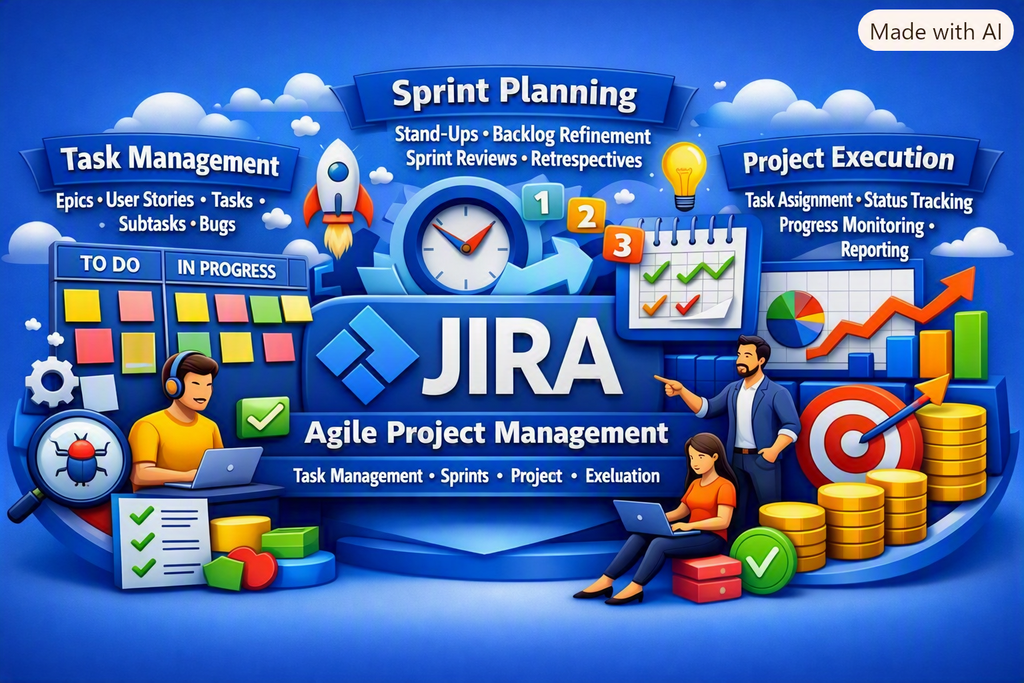
Jira is an Agile project management and work-tracking tool used for task management (epics, user stories, tasks, subtasks and bugs), sprint planning and scheduling (stand-ups, backlog refinement, sprint reviews and retrospectives), and project execution (task assignment, status tracking, progress monitoring and reporting)
Task Management → epics, user stories, tasks, subtasks, bugsTask Scheduling & Sprint Planning → stand‑ups, backlog refinement, sprint reviews, retrospectives
Project Execution → task assignment, status tracking, progress monitoring, reporting
Jira alone is a project management tool. By adding Tempo Financial Manager, you get budgeting, cost/revenue tracking, margin, and profitability forecasting. For IT service delivery, Jira Service Management adds SLA and ITSM capabilities. Together, they cover most financial and operational needs for small/mid-size IT projects. For large enterprise portfolios, integration with ERP tools like SAP or Oracle is often required.
[2] - Large IT Projects / Enterprise PMOs: 👉 Jira + Tempo Finance Manager can scale, but for multi‑million portfolios you often integrate with ERP/Finance tools (SAP, Oracle, MS Project, Primavera) for deeper forecasting and compliance.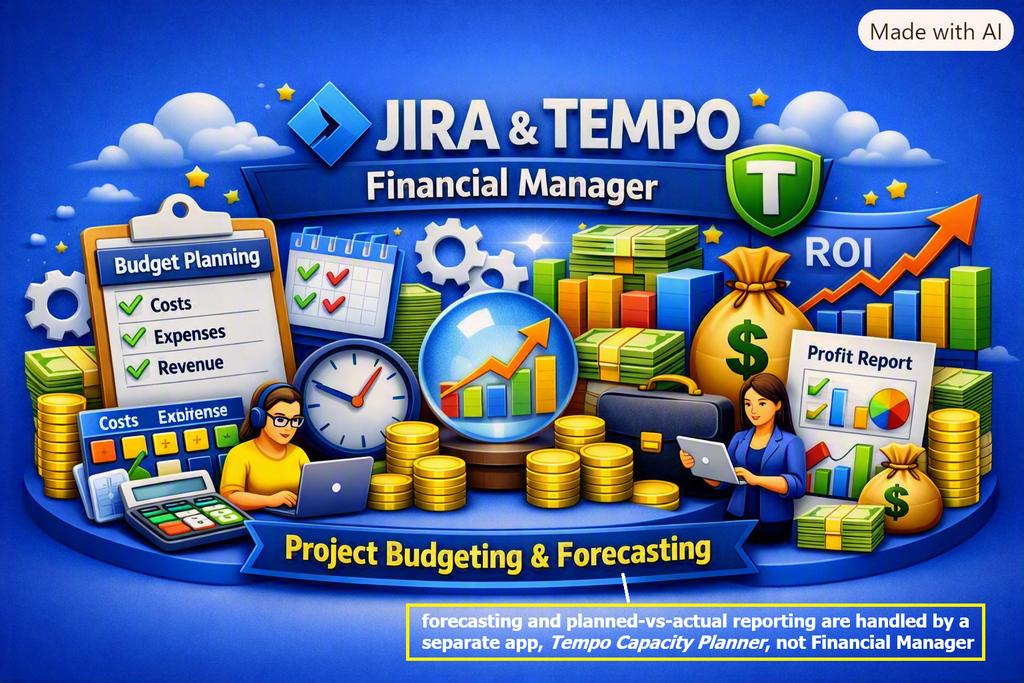
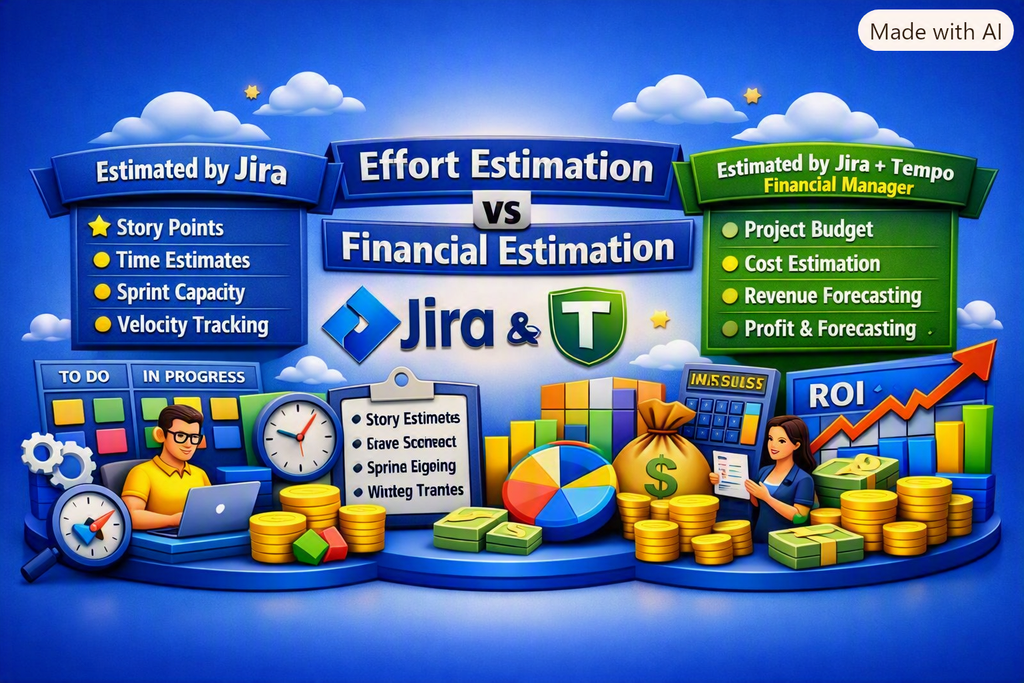
JIRA Task Estimation Vs Tempo Financial Manager- Finance Project Estimation
[3] - Service Delivery Teams( Jira Service Management): 👉 Jira Service Management=
adds ITSM workflows, but not full financial forecasting.
SLA vs OLA
Service Level Agreement (SLA)
- Definition: External contract between a service provider and a customer.
- Purpose: Defines service levels, response times, and quality standards.
- When Used: Signed when promising a service to an outside client.
Operational Level Agreement (OLA)
- Definition: Internal agreement between teams or departments.
- Purpose: Outlines cooperation and task sharing to support the SLA.
- When Used: Applied when IT, network, and security teams need clear deadlines to hand off work.
B2C Example Scenario:
An e‑commerce platform provides customer support to individual shoppers.
SLA (External):- Commitment to customer: Order delivery within 3 days, support queries answered within 24 hours.
- Purpose: Builds trust with end‑users by setting clear service expectations.
- Agreement between departments:
- Warehouse team processes orders within 12 hours.
- Logistics team ships within 24 hours.
- Customer support responds to inquiries within 6 hours.
Purpose: Internal coordination ensures the customer receives their product on time.