
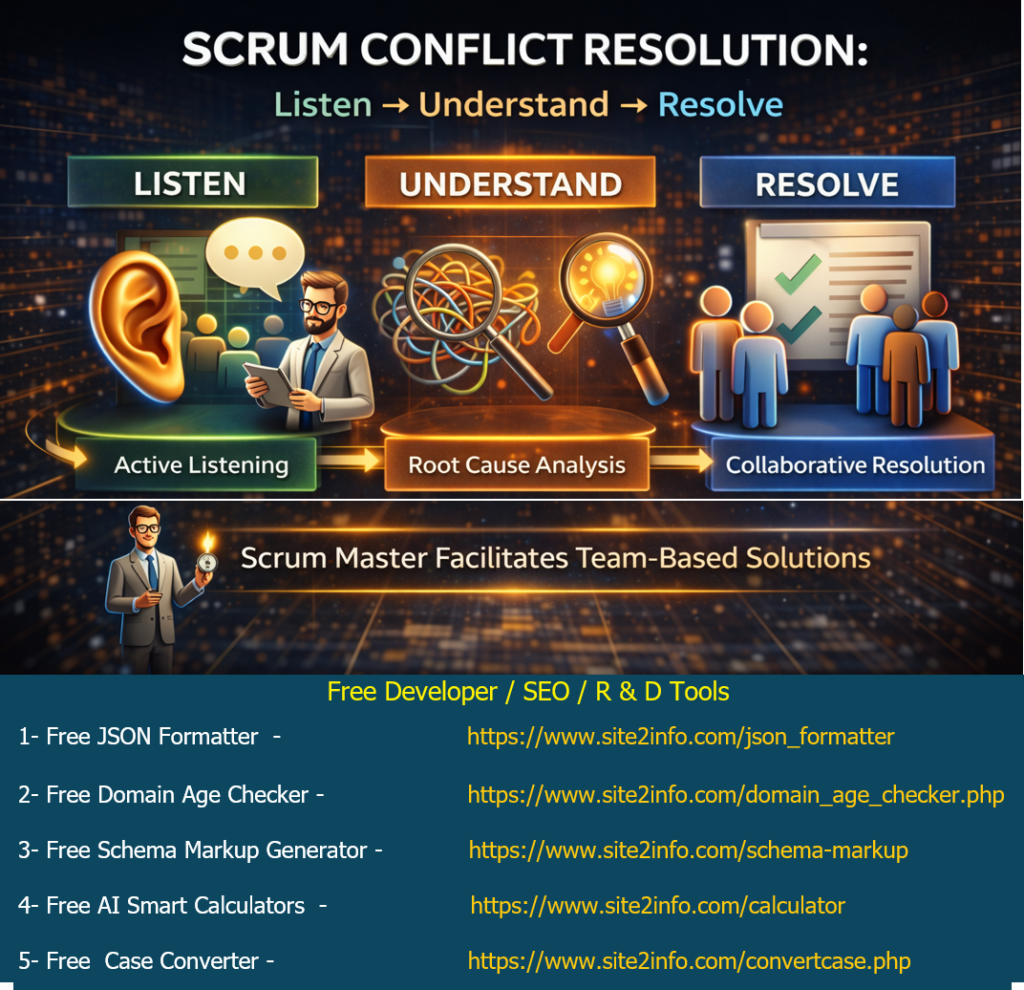
Scrum Conflict Resolution: Listen, Understand, Resolve

In Agile and Scrum environments, conflict is not a failure—it’s a signal. Diverse perspectives, fast-paced delivery, and cross-functional collaboration naturally create disagreements. What matters is how those conflicts are handled.

Scrum doesn’t prescribe a rigid conflict-resolution framework, but it strongly emphasizes servant leadership, transparency, and collaboration. A simple yet powerful approach that aligns well with Scrum values is:

Listen → Understand → Resolve


Why Conflict Happens in Scrum Teams

Common causes include:

  • Different interpretations of requirements
  • Priority or scope disagreements
  • Technical vs business trade-offs
  • Time pressure during sprints
  • Personality or communication gaps

Handled poorly, conflict slows delivery.
Handled well, it strengthens trust and team maturity.


Step 1: Listen (Active Listening)

The first responsibility—often of the Scrum Master—is to create a safe space for dialogue.

✔ Listen without interrupting
✔ Acknowledge emotions as well as facts
✔ Avoid assumptions or early judgment

Scrum principle: Respect & openness

The goal is not to respond, but to understand.


Step 2: Understand (Root Cause Thinking)

Most conflicts are symptoms, not root problems.

Techniques to use:

  • 5 Whys to identify the underlying issue
  • Clarify assumptions and expectations
  • Reframe the discussion around the Sprint Goal

✔ Is this a role clarity issue?
✔ A dependency problem?
✔ A priority misalignment?

Scrum principle: Focus on value and outcomes, not blame.


Step 3: Resolve (Collaborative Resolution)

Resolution in Scrum is not command-driven—it’s facilitated.

Effective practices:

  • Encourage team-led solutions
  • Timebox discussions to avoid over-analysis
  • Align decisions with the Sprint Goal and Product Vision
  • Seek consensus, not compromise

✔ The team owns the solution
✔ The Scrum Master guides the process

Scrum principle: Self-managing teams


Role of the Scrum Master in Conflict Resolution

The Scrum Master acts as a:

  • Facilitator, not a judge
  • Servant leader, not an enforcer
  • Coach, not a decision-maker

Their success is measured by:

  • Psychological safety
  • Team trust
  • Continuous improvement

One-Line Interview Answer

“In Scrum, I resolve conflicts through active listening, understanding the root cause, and facilitating a collaborative solution aligned with the sprint goal.”


Final Thought

Conflict in Scrum is inevitable—but unresolved conflict is optional.

By practicing Listen → Understand → Resolve, teams don’t just fix problems—they grow stronger, faster, and more resilient.
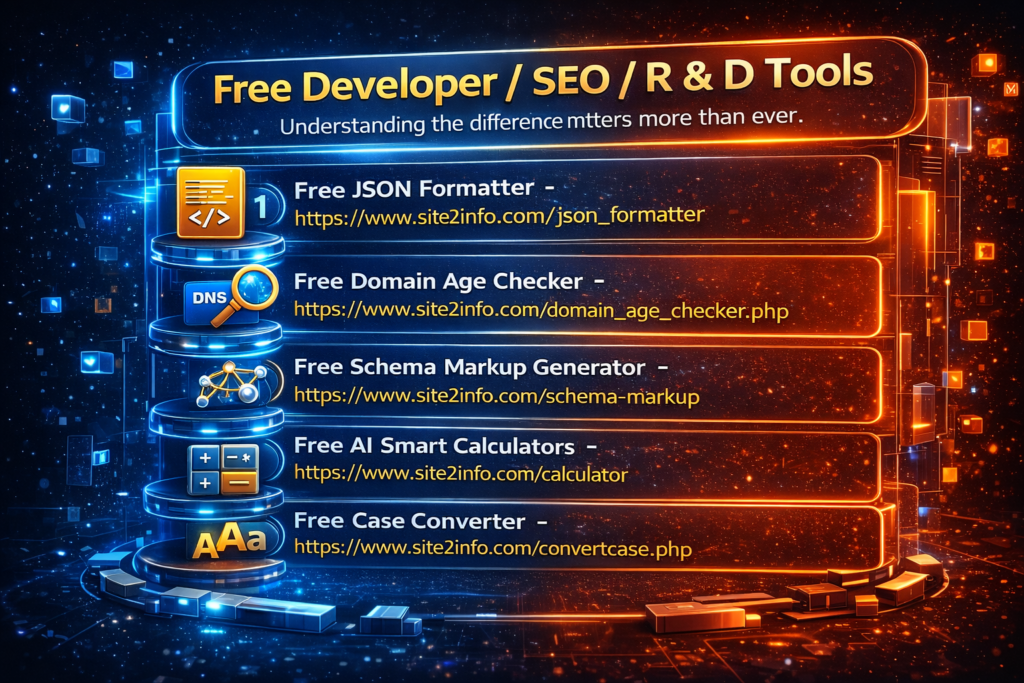

Complete SEO & Digital Growth & SEO Audit Workflow

SEO Audit Workflow: From Accuracy to Conversions-

5 Steps to Smarter Digital Strategy, Complete SEO & Digital Growth Cycle

In today’s competitive digital landscape, success requires more than keywords and content—it demands a structured workflow that blends technical precision with strategic insight.

✅ – Popular Tools from Site2Info

Exploring a set of versatile tools from Site2Info and mapped them into a 5‑phase SEO + digital strategy audit workflow:

1️⃣ JSON Formatter – Validate and clean structured data for error‑free integration.
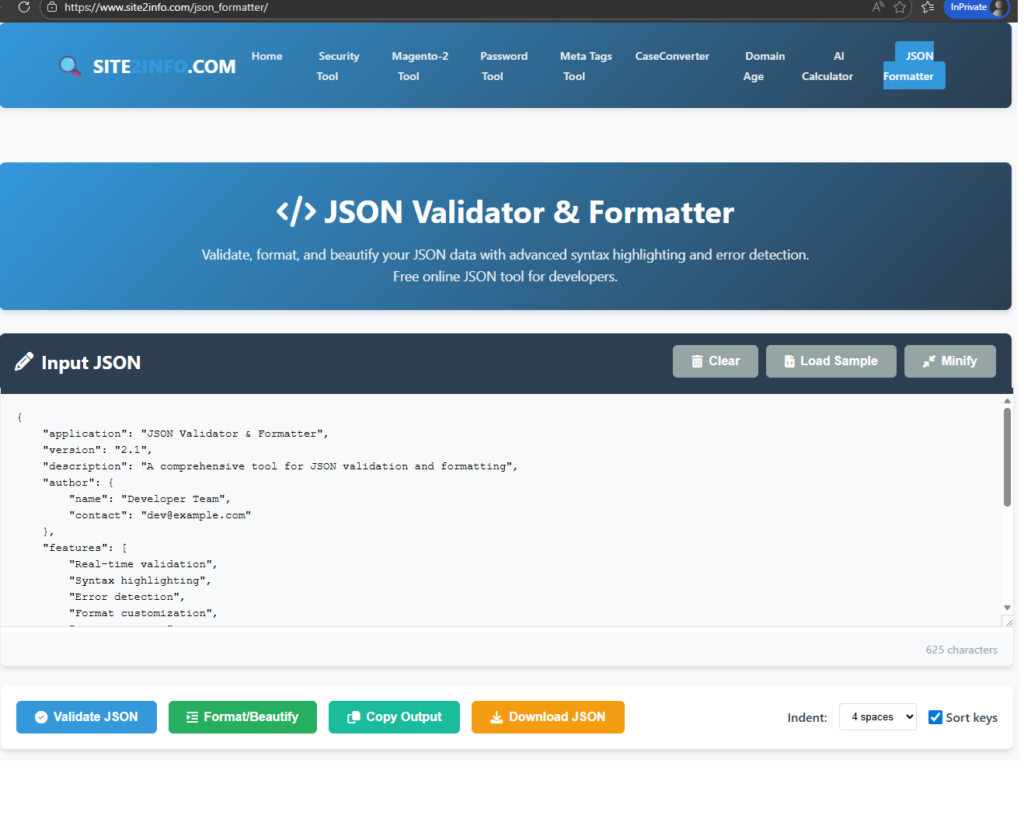
https://www.site2info.com/json_formatter

2️⃣ Case Converter – Standardize titles, meta descriptions, and content formatting.
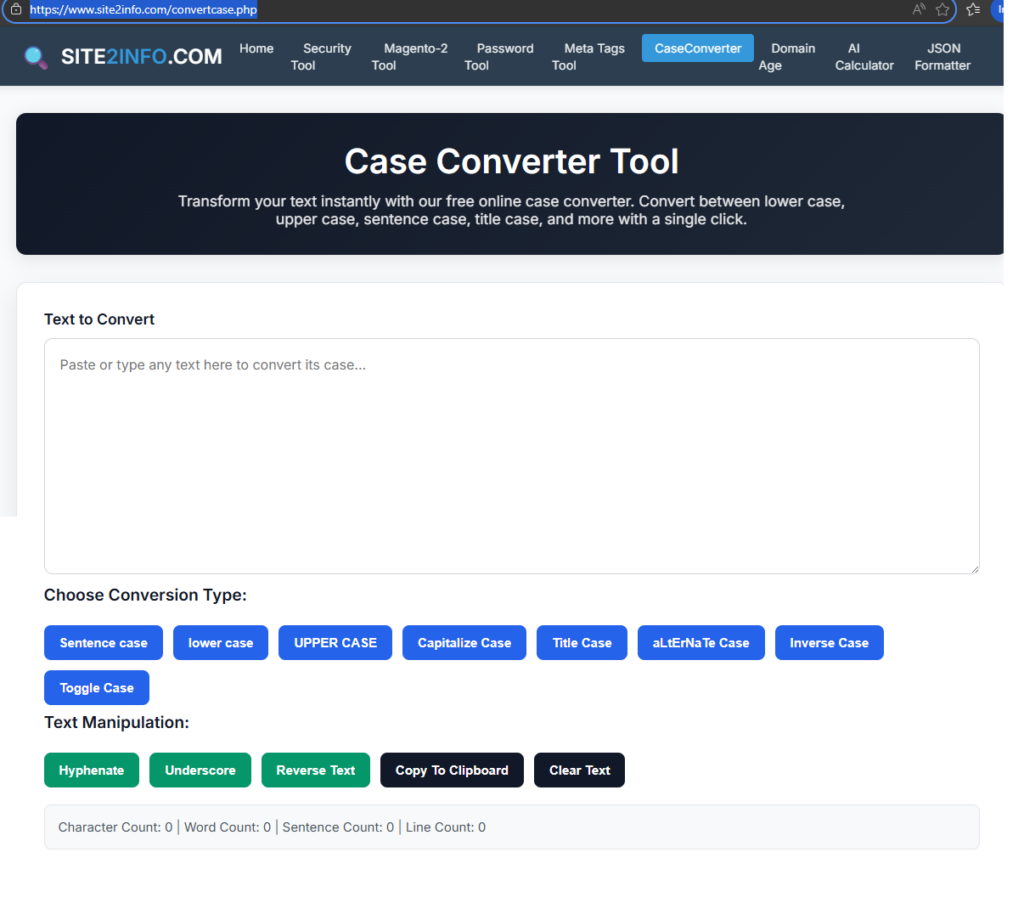
https://www.site2info.com/convertcase.php

3️⃣ Domain Age Checker – Benchmark domain credibility and authority signals.
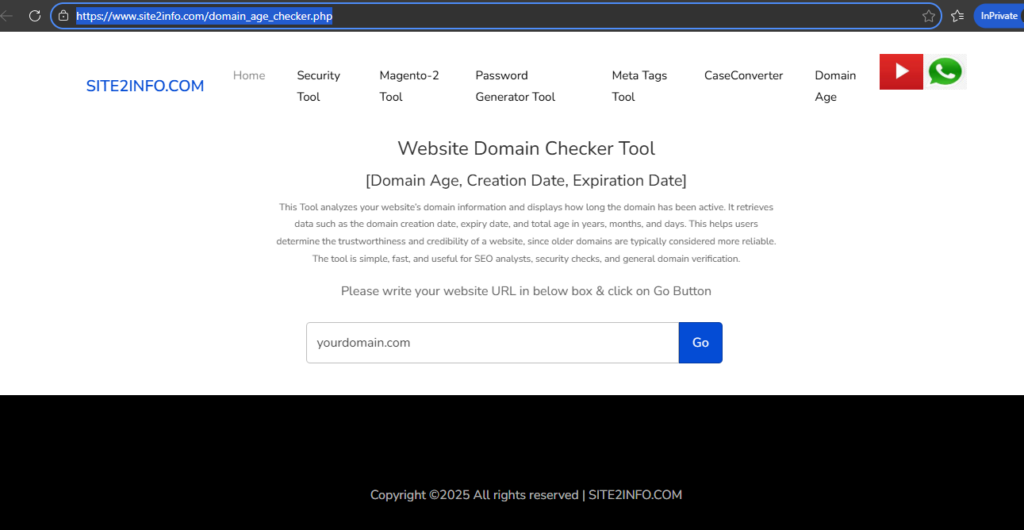
https://www.site2info.com/domain_age_checker.php

4️⃣ Schema Markup Generator – Implement structured data for rich search results.
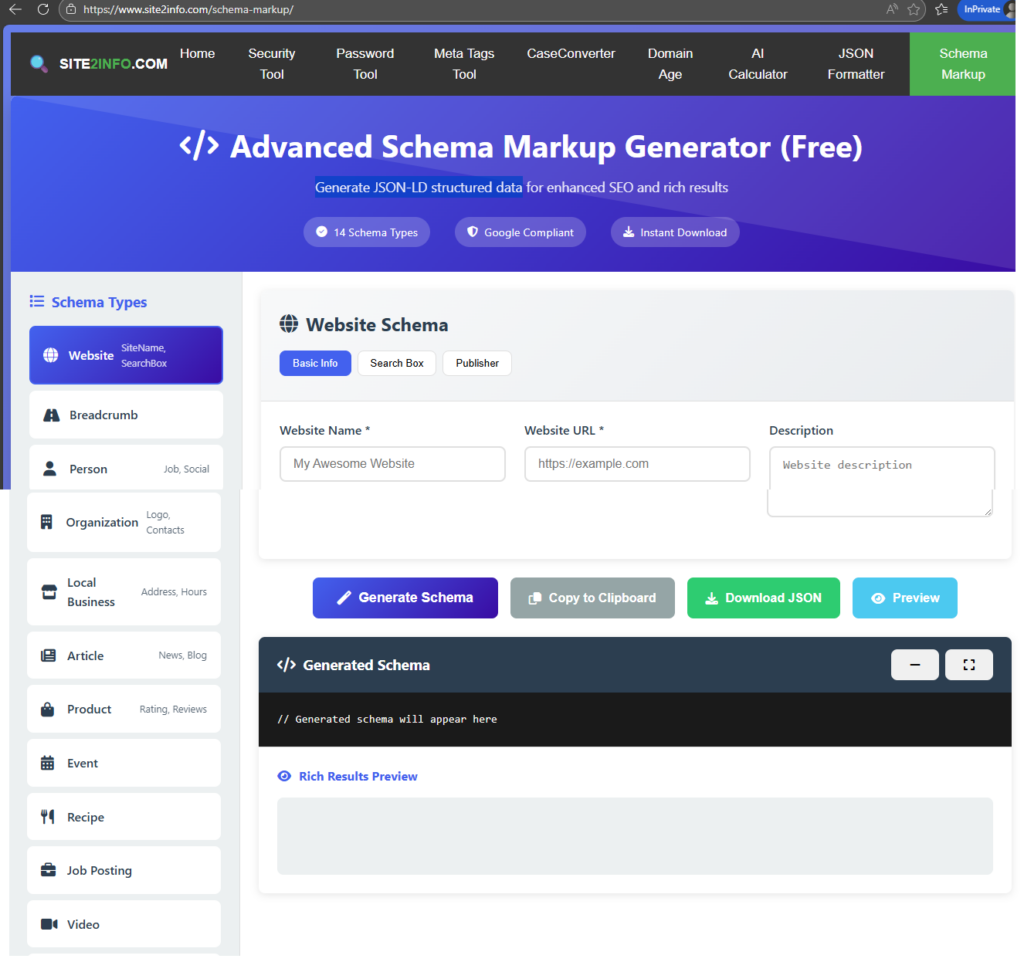
https://www.site2info.com/schema-markup

5️⃣ AI Smart Calculators – Enhance UX with financial/insurance insights that drive conversions.

https://www.site2info.com/calculator

SEO + Digital Strategy Audit in 5 Steps

5‑phase SEO + digital strategy audit workflow:

1️⃣ JSON Formatter – Validate and clean structured data for error‑free integration.

2️⃣ Case Converter – Standardize titles, meta descriptions, and content formatting.

3️⃣ Domain Age Checker – Benchmark domain credibility and authority signals.

4️⃣ Schema Markup Generator – Implement structured data for rich search results.

5️⃣ AI Smart Calculators – Enhance UX with financial/insurance insights that drive

Why it matters:

Ensures technical accuracy ✅

• Improves content consistency ✍️

• Strengthens trust signals 🔒

• Boosts visibility in SERPs 🚀

• Optimizes conversion pathways 💡

By combining these tools into a clear workflow, businesses can move from technical validation → content optimization → authority benchmarking → visibility → conversion analysis—covering the full cycle of SEO and digital growth.

💬 How are you structuring your SEO audits today? Let’s exchange strategies and insights.

Explore more tools here: https://www.site2info.com

⭐ Top 7 Best Project Estimation Techniques

Detailed list of 7 Best Project Estimation Techniques


1️⃣ Expert Judgment

What it is:
Estimation based on the experience of senior team members or subject-matter experts.

Best for:

  • New or complex projects
  • Early-stage estimation

Pros: Fast, experience-driven
Cons: Can be biased


2️⃣ Analogous Estimation

What it is:
Estimating based on similar past projects.

Best for:

  • Early planning
  • High-level budgeting

Pros: Quick and simple
Cons: Less accurate if projects differ


3️⃣ Parametric Estimation

What it is:
Uses statistical formulas (e.g., cost per feature, hours per module).

Example:
10 pages × 8 hours/page = 80 hours

Best for:

  • Repetitive or standardized work

Pros: Data-driven
Cons: Needs reliable historical data


4️⃣ Bottom-Up Estimation (Most Accurate)

What it is:
Estimate each task individually and sum them.

Best for:

  • Detailed project plans
  • Execution phase

Pros: Highly accurate
Cons: Time-consuming


5️⃣ Three-Point Estimation (PERT)

What it is:
Uses 3 values:

  • Optimistic (O)
  • Most Likely (M)
  • Pessimistic (P)

Formula:
(O + 4M + P) / 6

Best for:

  • Risk-heavy projects

Pros: Accounts for uncertainty
Cons: Slightly complex


6️⃣ Agile Estimation (Story Points / Planning Poker)

What it is:
Estimation using relative sizing instead of hours.

Best for:

  • Agile / Scrum teams

Pros: Team-based, flexible
Cons: Not ideal for fixed-scope contracts


7️⃣ Function Point / Use Case Estimation

What it is:
Estimation based on functional complexity rather than time.

Best for:

  • Large enterprise software
  • Regulated industries

Pros: Technology-independent
Cons: Requires expertise


🏆 Which Estimation Technique Is Best?

There is no single best technique.
Best practice: combine multiple methods.

⭐ Most commonly used combo:

  • Early stage: Analogous + Expert Judgment
  • Planning stage: Bottom-Up + Three-Point
  • Agile projects: Story Points + Velocity

Real-World IT Examples


🔹 1️⃣ Analogous Estimation – Website Development

Scenario:
Client asks: “How long will a 20-page corporate website take?”

Approach:
Last similar website took 6 weeks → estimate 5–7 weeks.

Why it works:

  • Early proposal stage
  • No detailed requirements yet

Used for: Pre-sales, ballpark budgeting
Not used for: Final contracts


🔹 2️⃣ Bottom-Up Estimation – E-Commerce Platform

Scenario:
Building an eCommerce site (Adobe Commerce / Shopify Plus)

Approach:
Break into tasks:

  • UI Design → 40 hrs
  • Backend APIs → 120 hrs
  • Checkout → 60 hrs
  • Payment Gateway → 30 hrs
  • QA → 50 hrs

Total = 300 hrs

Why it works:

  • Highly accurate
  • Clear task ownership

Best for: Fixed-scope projects, delivery planning
Risk: Time-consuming to prepare


🔹 3️⃣ Three-Point Estimation – Payment Gateway Integration

Scenario:
Integration with external payment provider (high uncertainty)

Estimate TypeTime
Optimistic (O)5 days
Most Likely (M)8 days
Pessimistic (P)14 days

PERT Formula:
(5 + 4×8 + 14) ÷ 6 = 8.5 days

Why it works:

  • Accounts for risk & unknowns
  • Better stakeholder confidence

Best for: Integration, migration, legacy systems


🔹 4️⃣ Agile Delivery Estimation – Mobile App Development

Scenario:
Scrum team delivering features in sprints

Approach:

  • User Story A → 5 points
  • User Story B → 8 points
  • User Story C → 3 points

Team Velocity: 20 points / sprint
→ Delivery in 1 sprint

Why it works:

  • Flexible
  • Team-driven
  • Continuous improvement

Best for: Evolving requirements, product development
Not ideal: Fixed-price contracts

Hidden Roles in a Software / IT Company

The Silent Force Behind Successful Digital Delivery

When people think of a software company, the first roles that come to mind are usually developers, testers, and designers. While these roles are essential, they represent only the visible layer of delivery.

Behind every successful software product is a network of leadership, analysis, governance, and execution roles that ensure clarity, alignment, predictability, and business value.

These are the hidden — yet critical — roles that make modern software delivery work.


Why These Roles Matter More Than Ever

Most software failures don’t happen due to poor coding.
They happen because of:

  • Unclear requirements
  • Misaligned business goals
  • Weak stakeholder communication
  • Poor prioritization
  • Risky or rushed releases
  • Inconsistent delivery

Each of the roles below exists to prevent one or more of these failures.


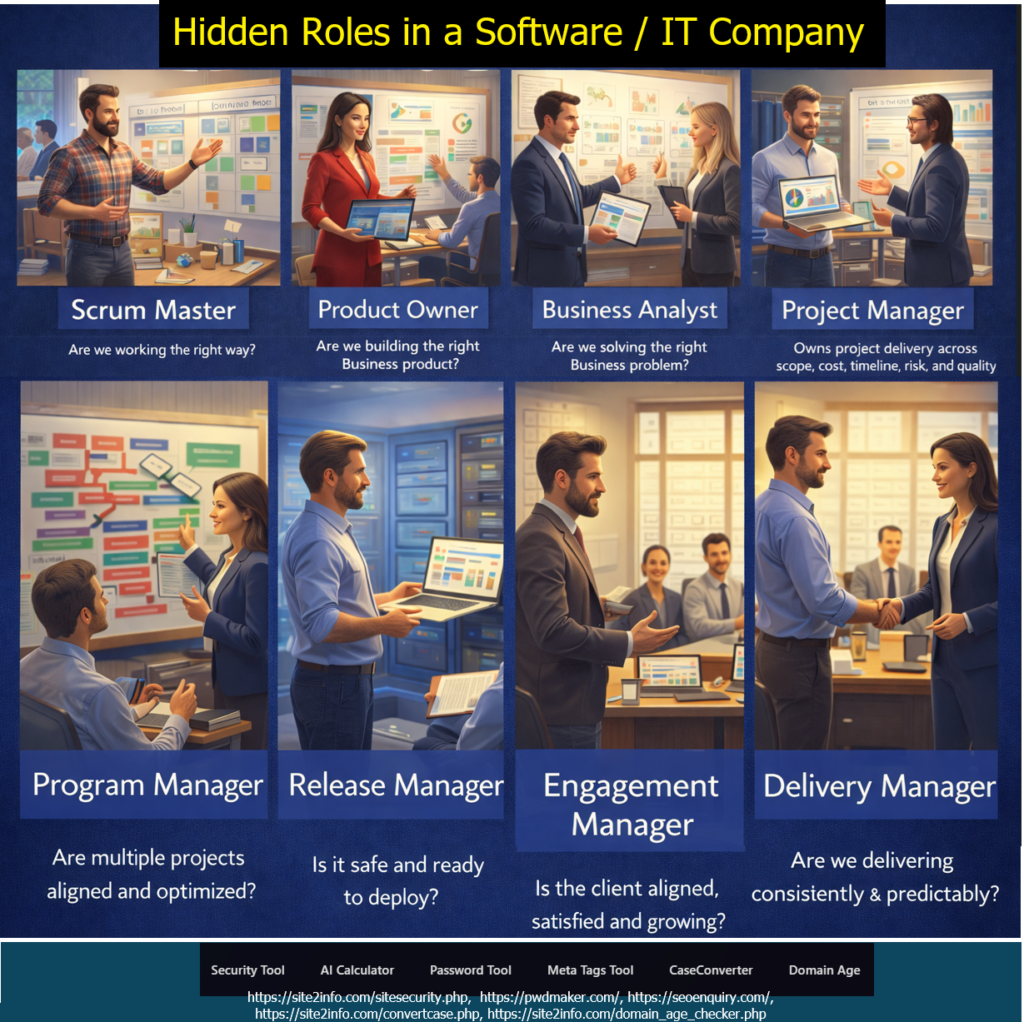
1️⃣ Business Analyst (BA)

“Are we solving the right business problem?”

The Business Analyst ensures the team builds the right solution, not just a technically correct one.

Key Responsibilities:

  • Understands business goals and pain points
  • Translates business needs into clear requirements
  • Defines functional and non-functional requirements
  • Bridges business stakeholders and technical teams
  • Ensures requirements are testable and measurable

👉 Without a strong BA, teams risk building features that nobody truly needs.


2️⃣ Product Owner (PO)

“Are we building the right product?”

The Product Owner owns product value.

Key Responsibilities:

  • Defines and prioritizes the product backlog
  • Balances business value, user needs, and technical feasibility
  • Accepts or rejects completed work
  • Aligns product roadmap with business strategy
  • Maximizes ROI from the development effort

👉 The Product Owner ensures the team builds what matters most—at the right time.


3️⃣ Scrum Master

“Are we working the right way?”

The Scrum Master protects the process and team effectiveness.

Key Responsibilities:

  • Facilitates Scrum ceremonies
  • Removes impediments blocking the team
  • Coaches the team on Agile and Scrum principles
  • Promotes continuous improvement
  • Shields the team from unnecessary disruptions

👉 A great Scrum Master doesn’t manage people—they enable performance.


4️⃣ Project Manager (PM)

“Are we on track and under control?”

The Project Manager owns execution governance.

Key Responsibilities:

  • Manages scope, timeline, cost, risk, and quality
  • Tracks milestones and dependencies
  • Handles escalation and change management
  • Communicates project status to stakeholders
  • Ensures commitments are met

👉 Project Managers bring discipline, predictability, and control to delivery.


5️⃣ Engagement Manager

“Is the client aligned, satisfied, and growing?”

The Engagement Manager owns the client relationship.

Key Responsibilities:

  • Manages client expectations and trust
  • Acts as the primary escalation point
  • Aligns delivery outcomes with business goals
  • Identifies account growth opportunities
  • Ensures long-term partnership success

👉 Even a successful project can fail without strong engagement management.


6️⃣ Program Manager

“Are multiple projects aligned and optimized?”

Program Managers operate at a strategic level.

Key Responsibilities:

  • Coordinates multiple related projects
  • Manages cross-project dependencies and risks
  • Aligns initiatives with organizational strategy
  • Optimizes resources across teams
  • Provides consolidated executive reporting

👉 Program Managers ensure the big picture doesn’t break while teams focus on details.


7️⃣ Release Manager

“Is it safe and ready to deploy?”

The Release Manager ensures controlled, stable deployments.

Key Responsibilities:

  • Plans release calendars and go-live strategies
  • Coordinates across Dev, QA, Security, and Ops
  • Ensures compliance and rollback readiness
  • Manages release approvals
  • Minimizes production risk

👉 Release Managers protect business continuity and customer trust.


8️⃣ Delivery Manager

“Are we delivering consistently and predictably?”

The Delivery Manager owns delivery excellence.

Key Responsibilities:

  • Owns end-to-end delivery outcomes
  • Tracks delivery metrics and predictability
  • Manages team capacity and performance
  • Removes delivery bottlenecks
  • Ensures repeatable, scalable delivery

👉 Delivery Managers turn plans into results—again and again.


How These Roles Work Together

These roles are not redundant—they are complementary:

  • Business Analyst defines the right problem
  • Product Owner defines the right product
  • Scrum Master ensures the right way of working
  • Project Manager ensures control and predictability
  • Engagement Manager ensures client success
  • Program Manager ensures strategic alignment
  • Release Manager ensures safe deployment
  • Delivery Manager ensures consistent execution

Together, they create a high-maturity delivery organization.